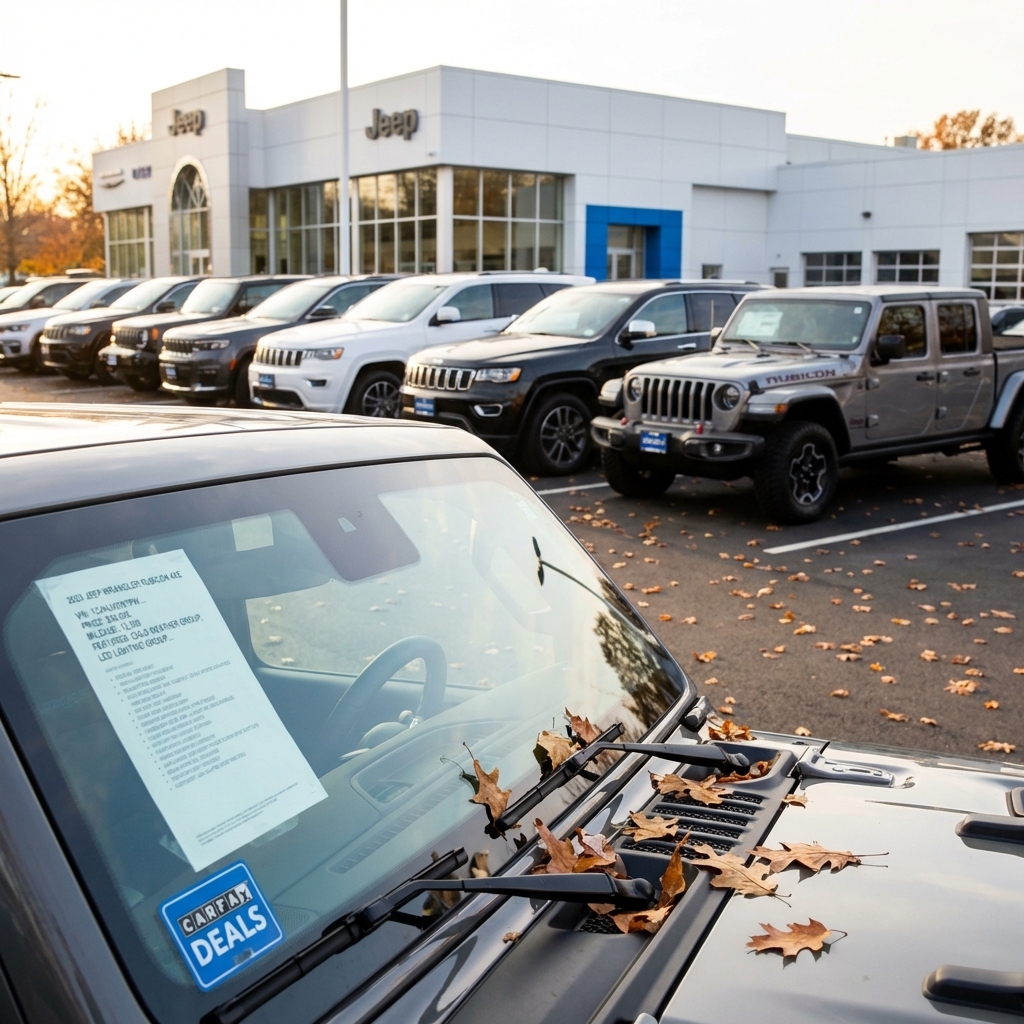
What we mean by "best time" to buy a Jeep
When people ask about the best time to buy a Jeep they usually mean when asking prices, incentives, and dealer willingness to discount tend to be most favorable. For local searches, typing jeep car dealer near me into listings will often be the first step to view local inventory, but timing changes how many cars and what kinds of deals appear.
Timing affects four main things: the sticker or asking price, manufacturer or dealer incentives, selection of trims and powertrains on lot, and the supply of trade-in units that dealers can reprice. Calendar-year end and model-year changeovers are key timing events that can move both new and dealer-held used stock, but they do not guarantee low risk on any single listing Edmunds buying guide.
Verify listings and history before you visit a dealer
Before you contact a dealer, compare local listings and run a vehicle history report to confirm title and service history.
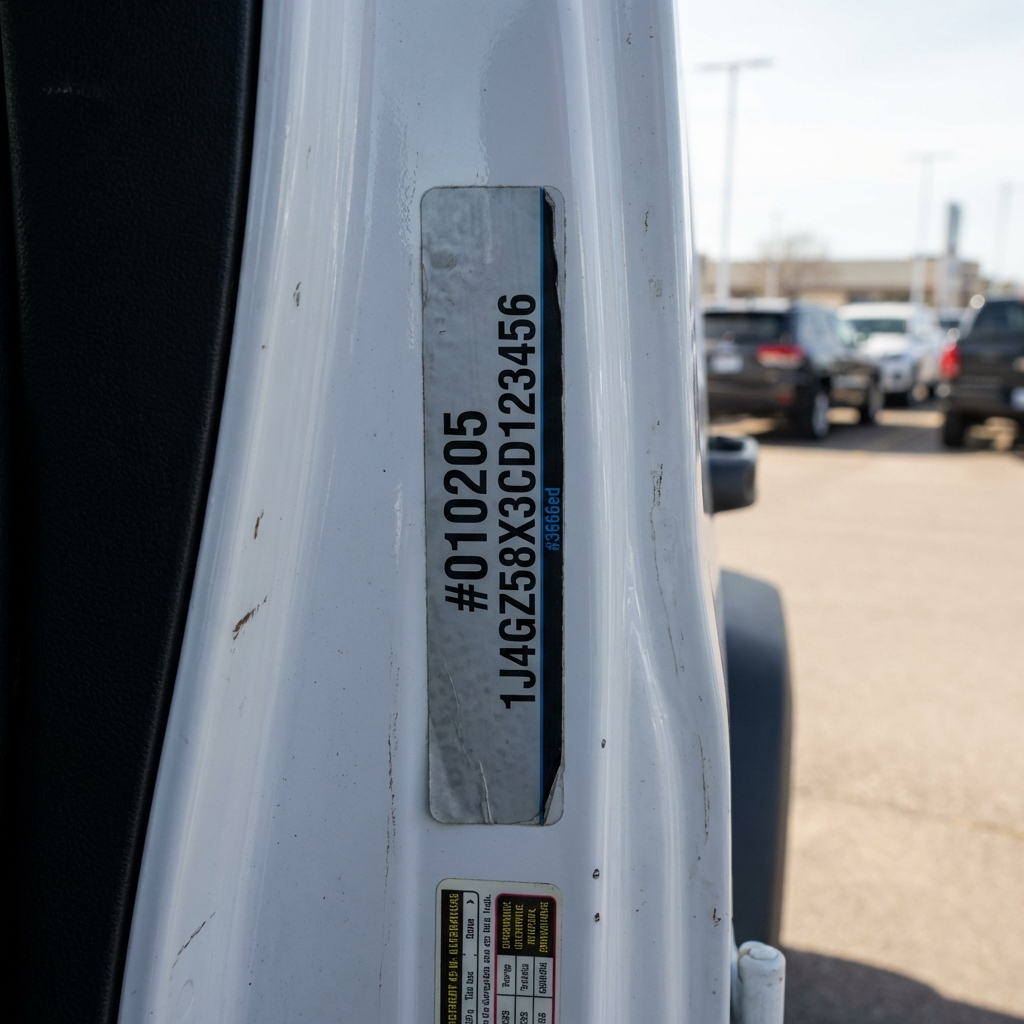
Different timing effects apply to new-vehicle incentives, dealer trade-in stock and retail used listings. New-vehicle programs often change with manufacturer calendars, dealer trade-ins accumulate when a model is refreshed, and retail used listings follow broader seasonal demand patterns. Treat timing as one tool, and pair it with verification steps such as checking a vehicle history report and a price analysis label before assuming a low price is low risk.
For research oriented buyers, the scope includes both new and used Jeeps available through dealerships and dealer-trade inventory. This guide focuses on dealer listings and retail used vehicles, and does not cover private sales or auctions.

Quick answer: likely better windows and when to search local dealers
Short answer: the most common windows to search local dealers are calendar-year end, model-year changeovers, and off-peak seasons outside spring and summer. These windows often produce deeper discounts or softer asking prices for dealer-held stock and can be useful starting points for planning a purchase Kelley Blue Book guide. For recent wholesale trend commentary see recent Manheim trends.
Calendar-year end, especially November and December, and the weeks around model-year changeovers typically show larger dealer and manufacturer discounts on many SUVs. For used Jeeps, searching outside the spring and summer peak demand months often surfaces lower asking prices as retail demand softens Manheim market reports.
Prioritize searches by checking local inventory counts and recent listing activity. If many similar units appear with outgoing model years or extended time on lot, that can indicate room to negotiate. Confirm any advertised incentives and ask dealers whether listed rebates are still valid before visiting.
How seasonality affects used-Jeep prices and demand
Wholesale and retail vehicle markets show seasonal patterns that usually affect used-Jeep prices. Manheim and other market indices track stronger used-price levels in spring and summer and softer pricing in late fall and winter, which can make off-peak searches more likely to find lower asking prices Manheim market reports. See the Manheim Used Vehicle Value Index for a tracked index of those trends.
Dealers commonly face end-of-month and end-of-quarter pressure to hit sales targets, which can lead to short windows of more aggressive net pricing or added incentives. These cycles can create opportunities for buyers who verify local availability and timing before contacting a dealer J.D. Power analysis.
Manufacturer programs also change around model-year changeovers and promotional calendars. When a new model year is released, incentives and dealer allowances can shift in ways that lower the effective price of outgoing-year units, but these opportunities are often brief and vary by metro area Kelley Blue Book guide.
Because these windows are short, confirm incentives and any rebate conditions before scheduling a test drive. Ask the dealer for written confirmation of current programs and how they apply to a specific VIN, especially if a vehicle is an outgoing-year unit or a dealer trade-in.
Model-specific factors: why some Jeeps discount sooner than others
When a Jeep model gets a new generation or a mid-cycle refresh trade-in supply of the outgoing-year units usually increases, which can translate into steeper discounts on those older-model vehicles in dealer stock Kelley Blue Book guide.

Trim level, powertrain and drivetrain options affect local demand and discount depth. For example, 4x4 variants and sought-after powertrains may hold value longer, while base trims or outgoing powertrain options can appear with deeper price reductions. Check the exact model year and trim in listings rather than assuming all Jeeps follow the same timing pattern.
To spot outgoing-year models on dealer lots look for clear indicators in the listing title and description, including the model year, trim badge, and notes about a recent redesign or refresh. When multiple dealers in a market list the same outgoing-year trim, that can be a sign the model is transitioning and that negotiating room may exist.
Combine timing with verification: the safety-first checklist
Timing improves pricing odds but verification reduces risk. Ask for a vehicle history report and review title status, ownership history, service records, mileage checks and any reported accident history before visiting the dealer. These checks can help you prioritize which listings to inspect in person Consumer Reports buying checklist.
Use price analysis labels to compare a listing against local market context. A favorable price analysis label combined with a clear vehicle history report often indicates a lower-risk candidate to prioritize. Remember, labels are context tools and not a standalone guarantee of condition.
Check dealer transparency signals such as ratings, reviews and dealer profile details before scheduling a visit. If a dealer provides a clear service history and an honest description of trade-in source, that can reduce the time you spend on low-probability visits.
How to check local Jeep inventory and incentives before you visit a dealer
Confirm whether national timing patterns apply locally by cross-checking local listings and wholesale indices. Look for volume of similar listings, recurring outgoing-year units, and changes in asking prices over recent weeks to assess whether local prices are softening Manheim market reports.
Also verify current manufacturer incentives and local financing offers before you visit. Check published programs and ask the dealer to confirm any rebate, bonus cash or special financing in writing for the specific VIN you plan to inspect Edmunds buying guide.
The best time often falls at calendar-year end, model-year changeovers, and off-peak seasons, but local inventory and model-specific factors matter; always verify vehicle history and incentives before buying.
When contacting a dealer, ask for the VIN, the vehicle history report if available, the trade-in source, and any written incentive details. Copy and save those responses so you can compare offers from different dealers without ambiguity.
Decision criteria: what to prioritize when timing and price conflict with risk
When a low asking price comes with limited documentation, prioritize title status and ownership history over a small price difference. A vehicle with a clean title, single owner and full service records often reduces the risk of unexpected repairs and ownership costs Consumer Reports buying checklist.
Consider total cost to own rather than only upfront savings. If a discount comes with unknown service history or signs of heavy use, the likely repair and maintenance risk can offset a timing-based price advantage. Use conditional language when estimating repair risk and rely on documentation when possible.
For budget buyers willing to accept higher documentation risk, focus on outgoing-year units and time purchases to end-of-quarter or model change windows. For family buyers or first-time buyers who need predictability, prioritize clean vehicle history reports and verification even if that means paying slightly more.
Common mistakes buyers make when timing a Jeep purchase
A common error is assuming national patterns apply locally. Inventory levels and demand can vary widely by metro area, so always confirm local listing counts and recent price trends before relying on broad timing rules TrueCar market insights.
Skipping vehicle history or price-label verification is another frequent mistake. Lower asking price does not equal lower risk; check title status and service history before visiting the dealer. Equating lower price with a good deal without those checks can lead to unexpected costs.
Assuming outgoing-year price drops always mean low risk is misleading. Model-specific demand and trim differences can make some outgoing units scarce and therefore still valuable locally. Verify the exact trim and powertrain before concluding a discount is meaningful.
Practical examples: timelines for different buyer types
First-time buyer hunting for value and low risk: begin searches in late fall and early winter, then target clean title, single owner listings with good service history. Use year-end windows to find dealer discounts but insist on a vehicle history report before visiting any dealer Kelley Blue Book guide.
Family buyer prioritizing reliability: search steadily through spring and summer to capture wider selection, but be prepared to wait for a unit that matches service records and ownership history. If a nearby dealer lists a certified or well-documented unit during a model changeover, that can be a good balance of selection and price.
Budget buyer focused on outgoing-year discounts: monitor local listings during model-year changeovers and end-of-quarter windows. Be ready to act quickly on outgoing-year, well-documented units and verify the VIN and history report before committing to a visit Manheim market reports.
How to contact and check a dealer once you find a listing
Request the VIN and a copy of any available vehicle history report before scheduling an in-person inspection. Ask for written confirmation of advertised incentives and how they apply to that VIN to avoid surprises on the final out-the-door price Edmunds buying guide.
Sample questions to copy: What is the VIN, how many prior owners are on title, is there any reported accident history, can you provide service records, and is the vehicle a dealer trade-in or a retail acquisition? Keep answers in writing so you can compare multiple dealers accurately.
Confirm out-the-door pricing by asking the dealer to itemize fees, any dealer add-ons, and the net incentive applied. If you plan to finance, request current financing rates and how they apply to the advertised price so you can compare apples to apples.
Post-purchase and ownership considerations tied to timing choices
Buying an outgoing-year or discounted unit can affect remaining warranty coverage and certified pre-owned options. Check warranty transferability and whether certified programs remain available for the model and year you buy Consumer Reports buying checklist.
Factor estimated maintenance and repair risk into your total cost to own. If timing produced a lower up-front price but the service history is thin, plan for an immediate inspection and budget for likely maintenance tasks.
Consider an independent inspection for higher-risk buys and obtain written estimates for any recommended repairs before finalizing the purchase. Early inspections help confirm whether a timing-based discount is worth the potential downstream cost.
Quick reference: when to act and when to wait
Act if you find a well-documented listing with a favorable price analysis label during end-of-quarter or model change windows. A clear vehicle history report and explicit written incentive details make acting reasonable.
Wait if local demand is strong, listings of the type you need are scarce, or the vehicle lacks service records and a verifiable title. In those cases the timing discount likely carries more risk than reward Consumer Reports buying checklist.
For each buyer type, use the short checklist above to decide next steps: prioritize documentation for safety, prioritize outgoing-year timing for budget moves, and confirm incentives in writing for any advertised discount.
Resources and where to check current market signals
Use wholesale indices and market reports to confirm whether national seasonality is reflected in local pricing. Manheim and similar reports track wholesale trends that tend to presage retail movement, so watching those sources can inform timing decisions Manheim market reports. See the index details at Manheim Used Vehicle Value Index.
On the local side, use listing filters for exact model year, trim and powertrain, and save searches so you get alerts when new stock appears. Monitor days on market and listing volume over several weeks to see whether local prices are trending up or down.
Bookmark or set alerts on the sources you trust and check them weekly while you are shopping. Confirm incentives with dealers and compare multiple listings using price analysis labels and vehicle history reports to reduce uncertainty.
Final checklist and closing recommendations
Recap: calendar-year end, model-year changeovers and off-peak seasons often create better pricing windows for dealer-held Jeep inventory, but local verification is essential. Combine timing with vehicle history reports and price analysis labels before visiting a dealer Kelley Blue Book guide.
Next steps: set local alerts for the exact model, trim and powertrain you want, run vehicle history reports on short-listed VINs, and ask dealers for written incentive and out-the-door pricing. Prioritize documentation if you value predictability over marginal price savings.
Use timing as a planning tool, not a substitute for verification. Local inventory, model-specific demand and current incentives decide whether a timing window actually creates a low-risk opportunity in your metro area.
Dealers often increase discounts at calendar-year end, around model-year changeovers, and at end-of-quarter periods. Local inventory levels and current manufacturer programs determine whether those windows apply in your area.
A lower asking price in an off-peak season can indicate softer demand, but you should verify title status, ownership history, and service records before assuming the listing is low risk.
Ask for the VIN, a vehicle history report, service records, title status, and written confirmation of any advertised incentives or special financing.
References
- https://www.edmunds.com/car-buying/when-is-the-best-time-to-buy-a-car.html
- https://www.kbb.com/car-advice/best-time-to-buy-a-car/
- https://www.manheim.com/insights/reports
- https://www.coxautoinc.com/insights-hub/manheim-used-vehicle-value-index-mid-january-2026-trends/
- https://www.jdpower.com/business/press-releases
- https://carfaxdeals.com/run-report
- https://carfaxdeals.com/vinreport
- https://www.consumerreports.org/cars/buying/how-to-buy-a-used-car/
- https://www.truecar.com/market-insights/best-time-to-buy-a-car/
- https://content.manheim.com/en/services/consulting/used-vehicle-value-index.html
- https://www.economy.com/united-states/manheim-used-vehicle-value-index
- https://carfaxdeals.com/blog